You run an online store and want orders flying out, not wandering around the warehouse like lost tourists. That’s where a modern ecommerce warehouse setup pays off, especially when your flow runs through a smart pick and pack fulfillment center and ties cleanly into shopify fulfillment. If you ship apparel, working with real apparel fulfillment companies matters. If you build bundles or VIP kits, dependable kitting and assembly services save your sanity. If predictable replenishment keeps you up at night, subscription box fulfillment keeps the calendar on your side. We’ll cover the whole picture and keep it human.
Retail warehousing is the backbone behind fast, accurate, low-drama shipping. Put inventory near customers, slot by velocity, standardize scans, and build a clean returns loop. Use platform-native integrations and a multi-node network to cut cost and days in transit. When you’re ready to scale without chaos, plug into ShipBots for storage, processing, and warehouse shipping that tracks with your growth.
Customers expect speed and consistency. That’s not a vibe, it’s visible in the U.S. Census ecommerce data, which shows ecommerce’s share of retail climbing across recent quarters. When buyers expect quick delivery, the building is only part of the story. The magic lives in receiving accuracy, slotting discipline, picker flow, and real order routing. Do those well and everything feels easy. Do them poorly and every sale feels like a dare.
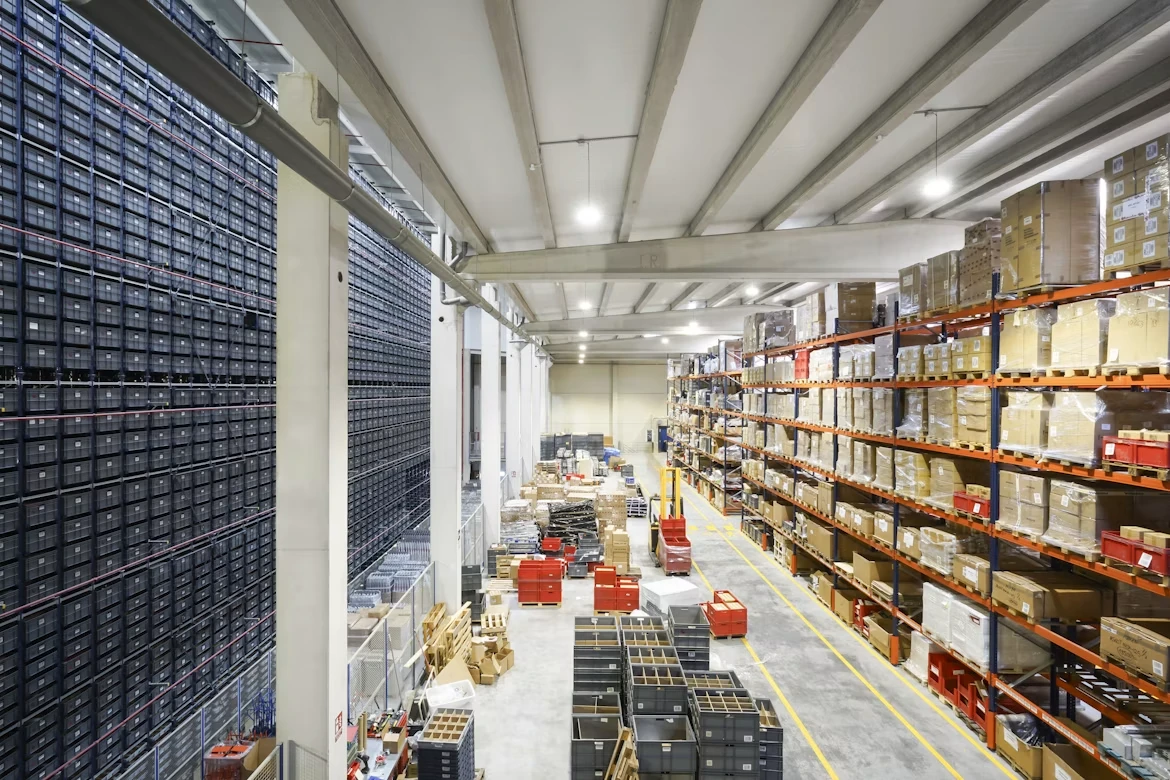
Old warehouses were big rectangles full of pallets. Useful, sure, but indifferent. Ecommerce pressure changed the game.
Now let’s unpack what the best facilities do every day.
ASNs match cartons. Labels scan cleanly. Variances get caught immediately, not after a launch goes sideways. If you ship heat-sensitive products, route them into temperature-controlled fulfillment before a pallet quietly ruins your week.
Prime pick faces for fast movers. Reasonable locations for long tails. No “mystery pallets” haunting the back corner. If your catalog shifts with seasons or promos, your capacity should flex without turning aisles into a yard sale.
Singles, multis, kits, and pre-packs each have sweet spots. Want a quick refresher on methods and tradeoffs? Start here: pick and pack fulfillment center methods. Then tune your paths by order mix, not folklore.
Bundles, influencer drops, and gift-with-purchase are great for AOV and terrible for chaos when done ad-hoc. Keep kitting inside the WMS so components decrement correctly with kitting and assembly services. Your accountant will sleep again.
Route to the closest node with stock. Trim the zone spread that burns postage. Shorten SLAs honestly and stop bribing customers with unrealistic ETAs.
Labels reflect cartonization, carrier rules, and your product’s physical reality. If you plan new markets or need footprint options, skim current warehouse shipping locations and sketch a second node before the rush.
Returns aren’t a side quest. The NRF’s Consumer Returns in Retail report pegs return volume in the hundreds of billions annually, with online return rates stubbornly high. A sensible loop sorts resaleable, refurbish, and recycle, pushes good units back to sellable inventory fast, and feeds reason codes into your forecast.
If fashion is your world, read the apparel fulfillment playbook and accept that sizing accuracy is cheaper than free returns.
You don’t need twenty KPIs. You need the right five, measured the same way every week. WERC’s framework is a solid backbone. Track:
If you want a broader process breakdown, this starter explainer helps: warehouse management.
Barcodes run the world because they’re simple and cheap. 2D codes carry more data per scan, handy for complex catalogs. RFID brings speed and item-level visibility where shrink or omnichannel demands it. For the retail context, GS1 US RFID guidance is a useful primer. If you’re wondering whether automation and smarter data capture pay off, McKinsey’s view on warehouse automation outlines where the gains usually land.
Start with labeling discipline, scanner points, and a shared definition of “done.” Then scale into 2D or RFID where the math says yes.
Need a practical piece of the puzzle first? Here’s a quick primer on pick lists for ecommerce warehousing.
Last-mile delivery is famously expensive. Multiple studies put it as a large share of overall delivery cost. You don’t control fuel prices or traffic, so fix what you can: place inventory near demand, route to the closest node, and use carriers that match your zones and parcels.
If you need a shipping refresher for teammates, send them these:
Right-sized cartons and recyclable materials cut DIM weight and waste. The EPA’s containers and packaging data is a sober reminder that packaging creates a hefty slice of U.S. municipal solid waste. Reducing dunnage is good for your conscience and your carrier invoice. If you want to anchor sustainability in your ops, start here: ShipBots sustainability.
Blunt truth: shoppers will send things back. That doesn’t mean you have to bleed. Use clear size charts and better PDP content for apparel, tighten packaging so items survive the ride, and keep a simple RMA portal that captures real reason codes. Then follow the data. If “arrived damaged” spikes, you don’t need a pep talk, you need different cartons.
If subscriptions are your model, plan reverse logistics into the cadence with this deeper subscription box guide.
Warehouses should speak the language of your platform, not force a translation project.
Aim for boring consistency: orders in, labels out, inventory synced.
Kitting is where special projects become repeatable. Use a bill of materials so components decrement correctly and kits don’t quietly create inventory ghosts. When you need someone to run that at scale, lean on kitting and fulfillment. For subscription models, keep a set day for build, a set day for ship, and a tight exception path. The fewer surprises, the fewer tickets.
If you import, timing and routing shift everything downstream. This overview of the SoCal gateway is helpful for planning buffers and drayage expectations: Ports of Los Angeles and Long Beach. For export and international D2C, a little paperwork up front saves support chaos later. Try DDP shipping for smoother delivery experiences.
Need cross-border help without the headache? See Passport shipping.
Some products can’t live in standard aisles. Keep heat-sensitive items in temperature-controlled fulfillment. If you ship supplements, follow best practices from supplement fulfillment services and the nutraceutical fulfillment flow, then document them to the letter.
You don’t need a PhD. You need clean data and a plan. Start with:
Fold returns reasons into the model, weigh seasonality, and treat promo spikes like the weather: expected, not surprising.
You can feel it when you walk in.
For a bigger picture of facility flavors, skim types of warehouses and how fulfillment centers vs warehouses differ.
Storms happen. Mis-sorts happen. Typos happen. Build a playbook and move on.
Bookmark these for quick answers:
When you need a no-fluff pep talk, this list helps too: no-BS checklist for solopreneurs.
A creator posts your product and suddenly your order graph looks like a ski jump. A good warehouse flexes.
You can’t prevent spikes. You can prepare for them with this ecommerce fulfillment guide as a blueprint.
Drones, same-day lockers, and marketplace gadgetry get the headlines. Stick with tech that has a clear path to cost savings or service improvements.
For the ground-up flow from click to doorstep, skim stages of a 3PL process.
Three tells:
Test a second node near your densest buyer cluster and A/B lead times. Often the postage you save covers the added fixed cost, and repeat purchase lifts do the rest.
Most brands don’t fail on racking. They fail on mistakes. Wrong picks, bad labels, late handoffs, and extra touches buried in “that’s how we do it.” Accuracy is the cheapest minute you’ll ever buy. If you need a refresher on the work that drives cost, hit pick and pack fulfillment.
Warehouses run on people. Good processes make their day smoother and safer. Clean labels, sensible pick paths, and realistic targets will beat any motivational poster. Treat process as a kindness and performance takes care of itself.
Want the big picture of DTC ops, from strategy to doorstep? Start with direct-to-consumer fulfillment.
Ecommerce keeps growing. Returns keep testing margins. Last-mile keeps charging rent. The warehouse is where you bend all three curves. Put goods closer to customers, scan accurately, pick cleanly, pack right, and ship with intent. Keep doing that and you’ll sleep fine.
Ready to scale without duct tape?
Get a custom plan and start shipping smarter: Sign up with ShipBots →


.svg)








.jpg)
.jpg)








.jpg)


















.jpg)