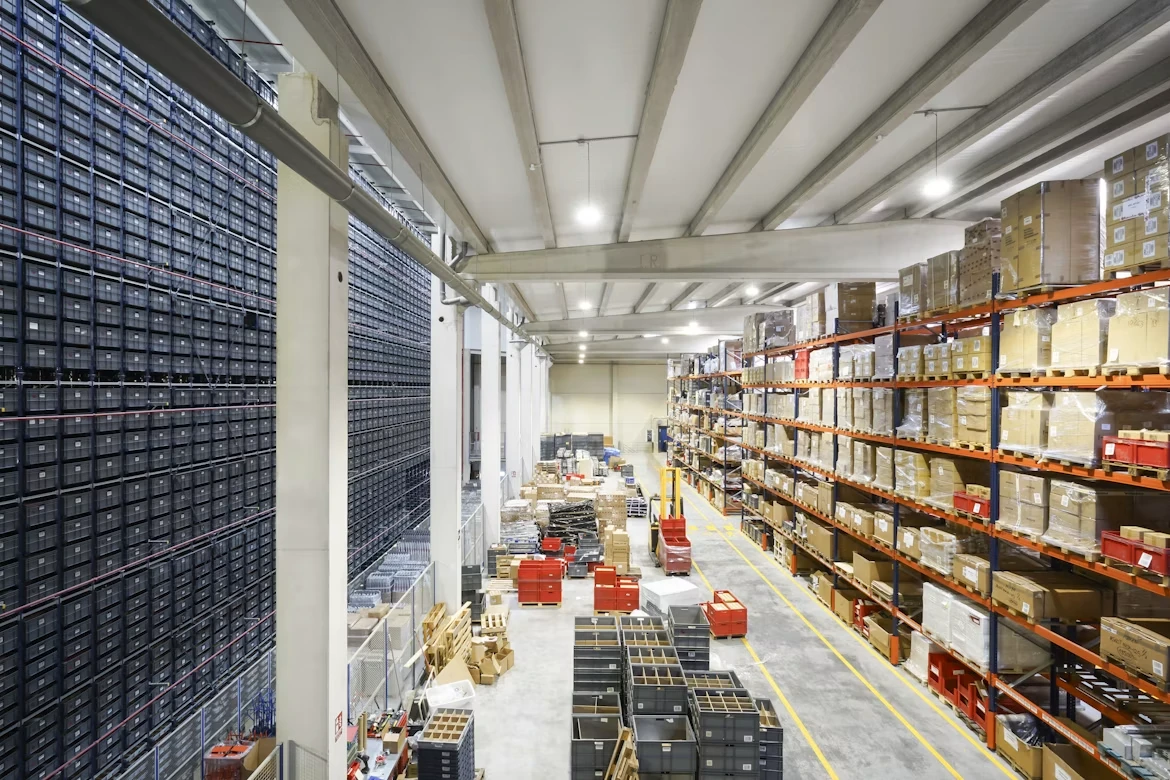
Digital warehouses use AI, automation, and real-time tracking to make fulfillment less messy and a lot faster. Think fewer “where’d that pallet go?” moments and more orders that actually arrive on time. The 3PLs that figure this out first? They win. Everyone else will still be searching spreadsheets for answers.
When’s the last time you saw someone write something down on paper in a warehouse? Exactly.
Warehousing has officially gone digital. Or, more accurately, it’s finally catching up to the rest of the modern world.
Picture this: scanners that talk to your inventory system, shelves that know when they’re empty, and shipments that basically route themselves. That’s digital warehousing, and it’s turning old-school fulfillment into something that actually makes sense.
Whether you’re shipping clothes through a fashion fulfillment center, juggling orders from your Shopify store, or managing a subscription box operation, digital warehousing isn’t the future anymore, it’s the baseline.
In plain English, a digital warehouse is what happens when you combine smart tech with a logistics brain.
Instead of manual counts, clipboards, and “Bob swore it was here yesterday,” everything runs through connected software that tracks stock in real time.
It’s basically giving your fulfillment center superpowers: sensors, analytics, machine learning, and zero paper cuts.
The goal’s simple.
Old-school warehouses were built for a slower world. Pallets came in, pallets went out, and the most exciting thing that happened all day was a forklift race (don’t lie, they happen).
But ecommerce changed everything. Orders spike overnight. Returns pile up. Customers want tracking updates every five minutes.
Manual systems just can’t keep up. Spreadsheets don’t scale, and “I’ll check the back” isn’t a strategy.
Digital warehouses fix all that by replacing human error with data that actually tells you what’s going on, when, and why.
Because chaos doesn’t scale.
According to McKinsey, companies that went digital cut labor costs by up to 30% and order errors by 60%. Imagine telling your CFO that.
Here’s why ecommerce brands and 3PLs are ditching the clipboards and joining the future.
Ever had a product show “in stock” online when it wasn’t? That’s the inventory version of being left on read.
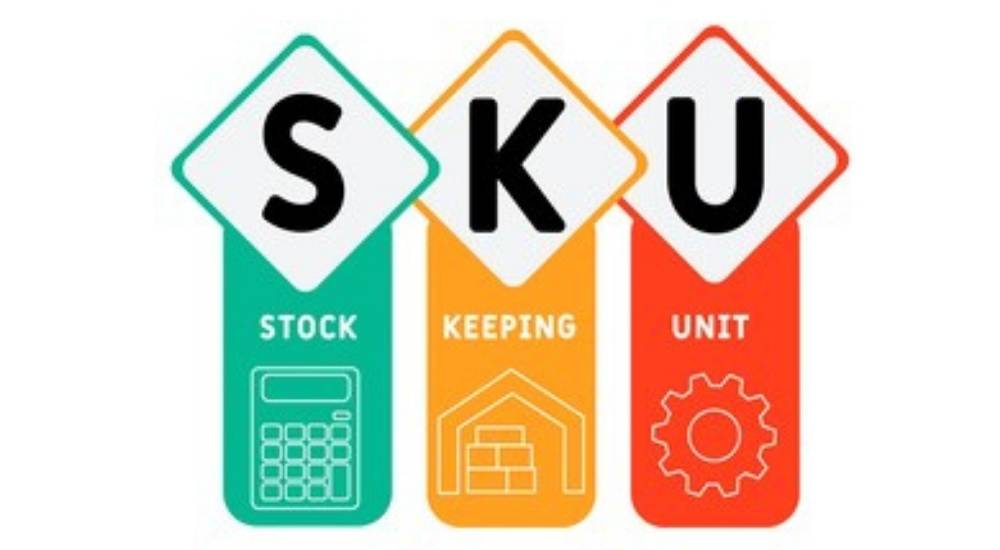
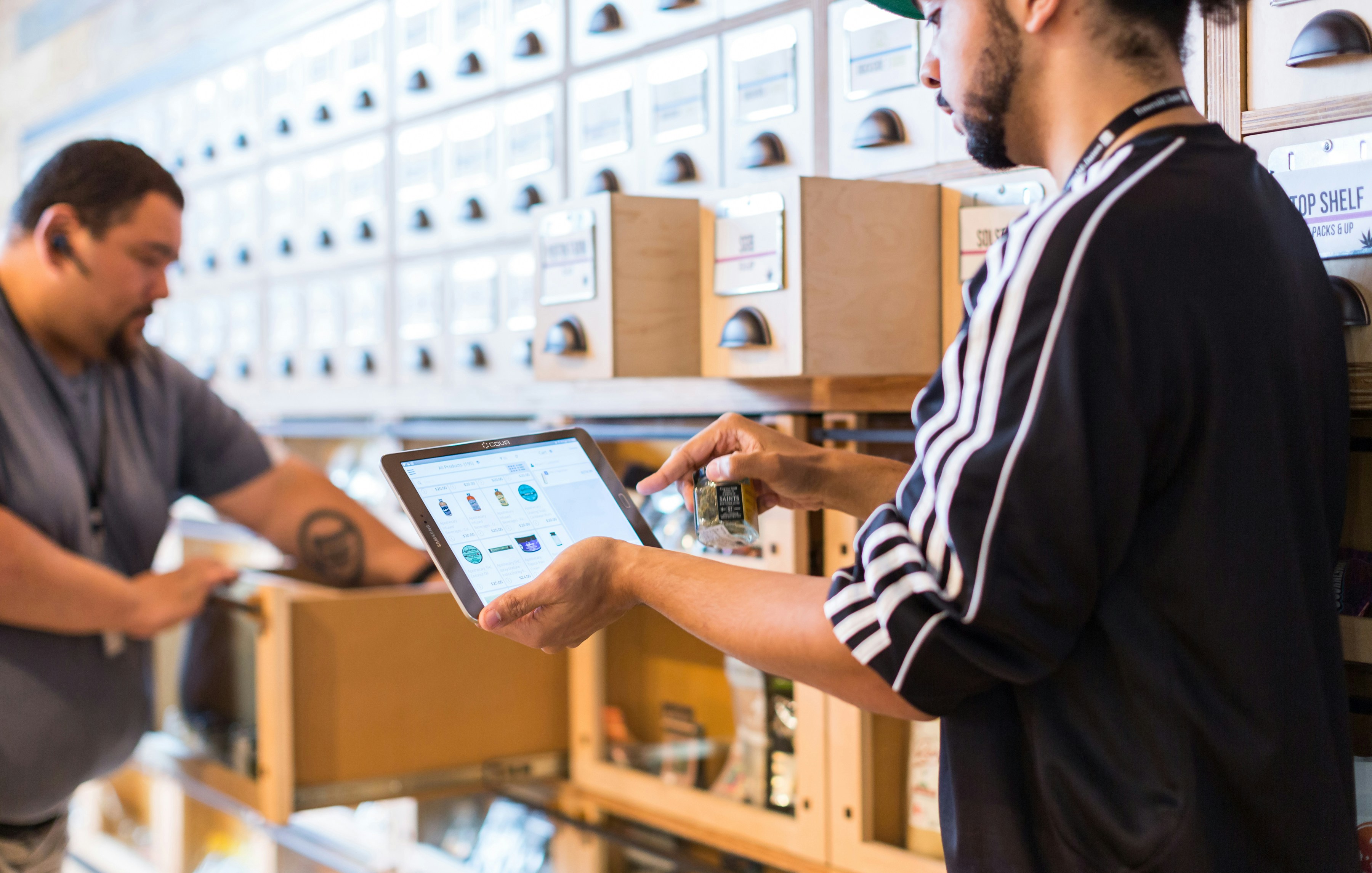
Digital warehouses use sensors and barcode scanners that update inventory the second something moves. Every SKU gets tracked from arrival to shipment, no lag, no mystery.
This isn’t fancy tech for tech’s sake. It’s how you stop refunding customers for ghost products and keep your warehouse shipping operations running clean.
AI in logistics isn’t science fiction anymore. It predicts what’s about to sell out, spots bottlenecks, and even reroutes shipments when bad weather hits.
Gartner says by 2030, AI will handle 80% of supply chain decisions. We’re already seeing it.
For 3PLs, that means less time chasing data and more time perfecting the customer experience with smarter kitting and fulfillment services.
If you’ve ever tried to find a single missing box in a 200,000-square-foot warehouse, you know the definition of panic.
Digital systems track every move your product makes, down to the shelf. When something disappears, it’s not “lost.” It’s logged.
It’s basically the “Find My iPhone” of logistics, minus the judgmental tone.
Picking and packing can eat your profit margins alive. A digital setup maps the most efficient walking routes, tells workers exactly what to grab next, and sometimes replaces them with robots that don’t need coffee breaks.
The result? Fewer mis-packs, faster shipping, happier customers. All from a smarter pick and pack fulfillment center.
Managing Shopify, Amazon, eBay, and BigCommerce all at once? Welcome to the circus.
A digital warehouse is the ringmaster. It syncs orders, inventory, and data across every platform in real time.
That means your Amazon FBA prep, BigCommerce fulfillment, and eBay fulfillment can all pull from one clean source of truth.
No spreadsheets. No guesswork. Just clarity.
Warehouses aren’t exactly known for being eco-friendly, but paperless systems and optimized shipping routes are a solid start.
Smart systems cut paper waste, consolidate orders to reduce emissions, and keep your brand aligned with sustainability goals.
And considering that 78% of consumers say they prefer eco-minded brands, this isn’t fluff, it’s strategy.
Some products are basically divas, cosmetics, supplements, food. They all need stable conditions or things go south fast.
A temperature-controlled digital warehouse uses sensors to keep everything within range and alerts you before something spoils.
If you’re in climate-controlled warehousing or handle nutraceutical fulfillment, this isn’t optional. It’s survival.
You want your brand to grow, but scaling shouldn’t feel like juggling knives.
Digital warehousing makes growth smooth. Systems expand on demand, automation absorbs volume, and analytics keep your operations from falling apart.
That’s why partnering with a digital-first 3PL like ShipBots matters: you get the benefits of big-league infrastructure without paying for more square footage or headcount.
A digital warehouse gives you actual visibility. You can see which SKUs are flying, which ones are tanking, and when your peak hours hit.
Layer that with insights from your ecommerce dashboard, and suddenly you’re making moves based on facts instead of gut feelings.
Need a deeper dive? This guide on supply chain forecasting breaks it all down.
Customers don’t care about your backend systems. They care about their order arriving fast, correct, and beautifully packed.
Digital warehousing quietly makes that happen, fast fulfillment, fewer mistakes, and real-time tracking.
It’s invisible magic that builds trust. And in ecommerce, trust pays dividends.
They crunch mountains of data to spot trends, prevent overstocking, and keep things humming. No burnout, no overtime.
Robots handle repetitive tasks with laser precision (sometimes literally). They don’t forget, complain, or take lunch breaks.
Smart sensors track temperature, humidity, and movement 24/7, critical for products that don’t like surprises.
WMS platforms tie it all together. Think of them as the warehouse’s central nervous system. They track, allocate, and optimize every SKU.
Need a breakdown? Our warehouse management guide explains how the right system changes everything.
Figure out where you’re wasting time. Spoiler: it’s probably manual data entry.
Hardware’s great, but software’s cheaper and faster to implement.
Your printer will miss you, but you’ll be fine.
Tech only works if people know how to use it. Start small, scale later.
You don’t have to reinvent the wheel. ShipBots already runs kitting and assembly and subscription box fulfillment for digital-first brands. Plug in, and you’re live.
Robots running entire facilities while humans monitor dashboards. It’s not sci-fi, it’s happening.
AI predicting what customers will buy before they even add it to cart. Creepy? Maybe. Effective? Absolutely.
Small, local hubs getting products closer to customers for lightning-fast delivery.
Pair these with digital warehouses, and you’ve got a one-hour delivery ecosystem. MIT Sloan calls it “self-healing supply chains”, systems that fix issues before you even know they exist.
PwC reports that digital transformation in warehousing returns up to 45% ROI within two years. Not a bad deal for tech that pays for itself.
Labor costs drop. Order accuracy jumps. Customers stay happy. That’s math worth paying attention to.
ShipBots isn’t your grandfather’s warehouse. It’s tech-powered fulfillment made for modern brands.
We mix automation with human touch, fast picking, precise packing, smooth shipping. Whether you’re scaling Shopify fulfillment or expanding globally with passport shipping, we make sure your operations stay lean, fast, and sane.
If you’re still running your warehouse on spreadsheets and duct tape, it’s time to stop.
Digital warehousing isn’t a trend. It’s the new baseline for ecommerce success. It saves time, cuts waste, and keeps customers loyal.
So maybe the real question isn’t if you should go digital. It’s why you haven’t already.
👉 Get started with ShipBots and see what smarter fulfillment feels like.