Ecommerce returns management is how you receive, inspect, grade, and either restock or dispose of the products customers send back, and then get them the right refund, exchange, or store credit. Handle it well and it protects your margin while winning you repeat buyers. Handle it badly and it quietly eats storage space and ties up inventory you already paid for, all while dragging down profit. Nobody eliminates returns, so the real goal is a process tight enough that a return turns into a second shot at keeping the customer. Getting there means combining a clear return policy with accurate ecommerce fulfillment, fast reverse logistics, and real-time inventory management that puts a resellable unit back on the shelf as soon as it clears inspection.
Returns are a much bigger line item than most operators think. The National Retail Federation projects that U.S. shoppers will send back $849.9 billion in merchandise in 2025, which works out to roughly 15.8% of retail sales. Online is worse, with an estimated 19.3% of ecommerce purchases coming back. If you're doing seven figures, that kind of return rate is a genuine cost center. It either bleeds you every month or, handled right, it feeds you cleaner forecasts and a brand people come back to.
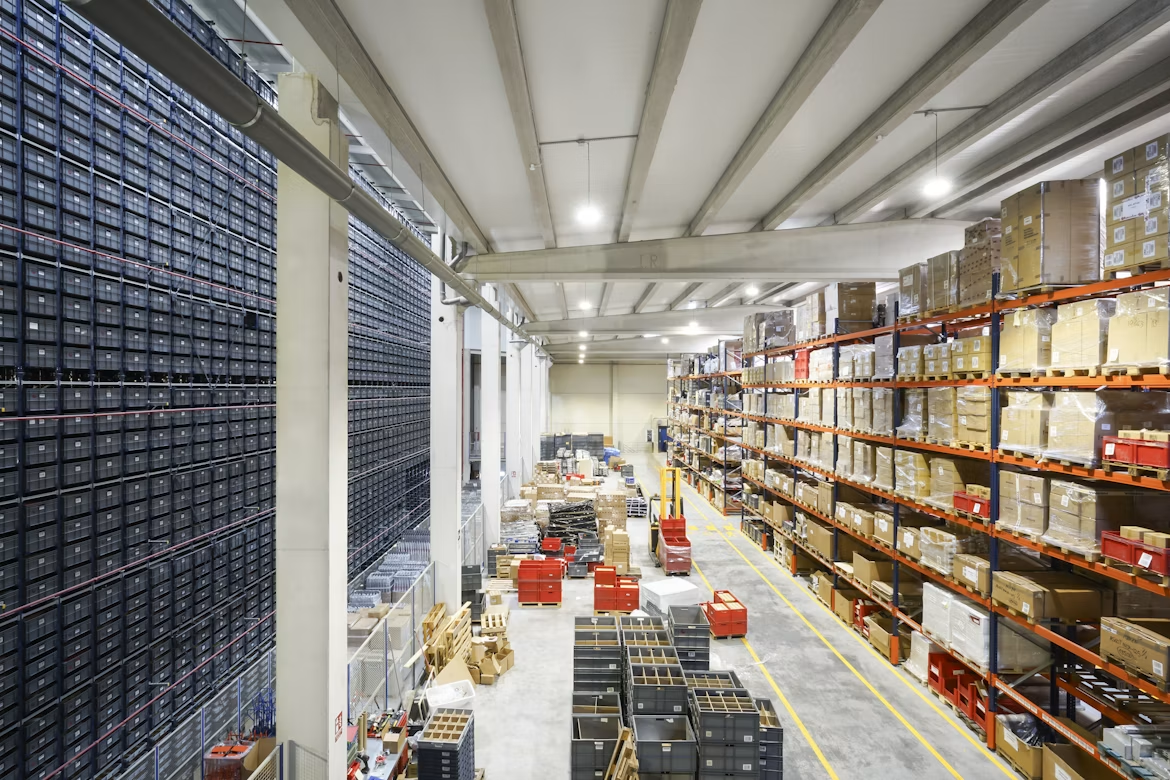
A returns management process covers everything that happens once a customer decides to send something back. There's the return request, the inbound shipment, inspection and grading, the call on what to do with the unit (restock, repair, recycle, donate, or scrap), and finally the refund or exchange. Think of it as your outbound flow running in reverse. It puts pressure on profitability and warehouse space, and it can throw off inventory accuracy at any point along the way.
The piece most brands underweight is disposition. When a unit comes back, it isn't automatically resellable. Somebody has to open it, check its condition against your standard operating procedure, and route it accordingly. Get lazy about that step and you'll do one of two things: restock damaged goods and anger the next customer, or write off units that were perfectly fine and lose the revenue.
This is where a 3PL earns its fee. At ShipBots, our returns experts grade every inbound unit against your SOP, and anything resellable as new goes back into your store's inventory automatically.
No single policy fits every brand. Yours has to reflect your industry and product mix, plus how your logistics are set up and what your customers actually expect. A skincare brand and a furniture brand will never run the same rules.
Most stores can start from a simple three-step framework, though, and tune it from there. If you're writing one from scratch, our breakdown of what goes into an ecommerce return policy covers the specifics.
Everything kicks off when a customer requests a return and tells you why. Capture that reason, because it's free product feedback and it's the raw material you'll use later to bring your return rate down. Depending on your policy, you'll offer store credit, a replacement, or a full refund, after which the customer packs the item and ships it back. Give them a prepaid label so the whole thing doesn't feel like a penalty for buying from you.
The item lands at a predetermined location and you decide its fate: restock, repair, recycle, or donate. Routing returns to whichever warehouse sits closest to the customer cuts both transit time and cost, and that gap really shows once volume spikes after a holiday or a viral moment.
Whatever the customer qualified for, move on it quickly. Land the refund inside 24 hours and you buy back their trust. Let it drag out for two weeks and you can be fairly sure they won't order again. The speed of this one step often decides whether you've got a one-time buyer or a repeat one.
Returns cost money, and there's no pretending otherwise. What you can do is offset that cost by treating every return as feedback and as a chance to hang onto the relationship. Here's where the effort actually pays off.
Whoever processes your returns should know your grading standard cold and should always be hunting for ways to speed up intake without cutting corners. Clearer inbound packaging guidance and steady quality checks also mean fewer units come back damaged in the first place.
Coach support to genuinely hear an unhappy customer out and solve the problem before the call ends. Where you dropped the ball, make it right with store credit or a free replacement. That gesture costs you far less than a churned customer who tells everyone they know.
This is the lever that moves the P&L. A resellable return has to be marked in stock right away and synced across every channel in real time. A unit sitting in a returns bin while your store still shows it as sold out is money you've already spent that's earning you nothing. And when slow or old units start piling up, you're looking at dead stock, which returns are one reliable way to accumulate.
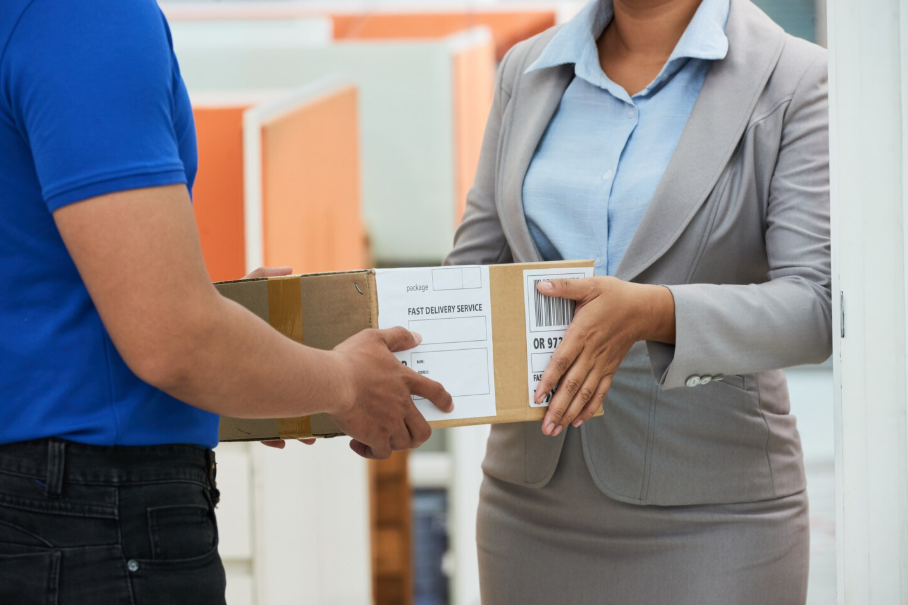
A good policy keeps customers around. Fewer returns keep your margin intact. The encouraging part is that most returns are preventable, since they usually come down to a mismatch between what the customer pictured and what turned up on their doorstep. Close that gap upstream and the rate falls.
The single biggest driver of online returns is the distance between what a shopper sees on the page and what arrives in the box. Honest specs, real dimensions, and images that show the product as it truly is will cut more returns than any clever post-purchase fix ever could.
Buy your own products and live with them for a while, then send whatever you find back to your manufacturer. Catch a recurring defect before it ships and it never gets the chance to become a return.
Every reason code is data waiting to be used. Log them, watch for the patterns, and act on what surfaces. When one SKU is behind a third of your returns, your problem is that SKU rather than your customers. Accurate pick and pack fulfillment belongs in this conversation too, because a wrong item shipped is simply a return you manufactured yourself.
Most online shoppers read the return policy before they'll buy anything. NRF found that 82% of consumers treat free returns as a major factor in where they shop, up from 76% a year earlier. Skip a clear policy and you'll lose sales, and the loss falls hardest on first-time buyers who have no other reason to trust you yet.
The one exception is narrow: when returning an item would cost the customer more than the item is worth, your return risk is low by default. For nearly everyone else, a missing or muddled policy quietly kills conversions, and 71% of consumers say one bad returns experience makes them less likely to buy from you again.
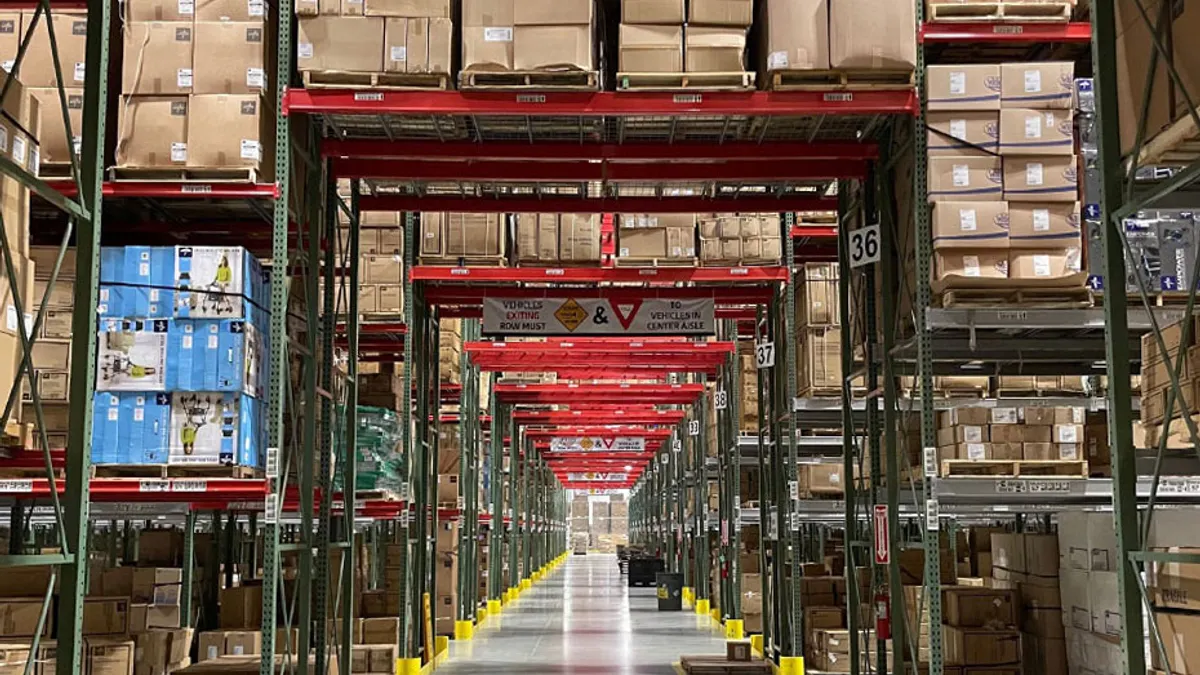
Returns are reverse logistics, and reverse logistics is genuinely harder to run than shipping orders out the door. The timing is unpredictable and the condition of what arrives varies wildly, and none of it batches cleanly. That happens to be precisely the kind of messy, variable work a 3PL is built to absorb.
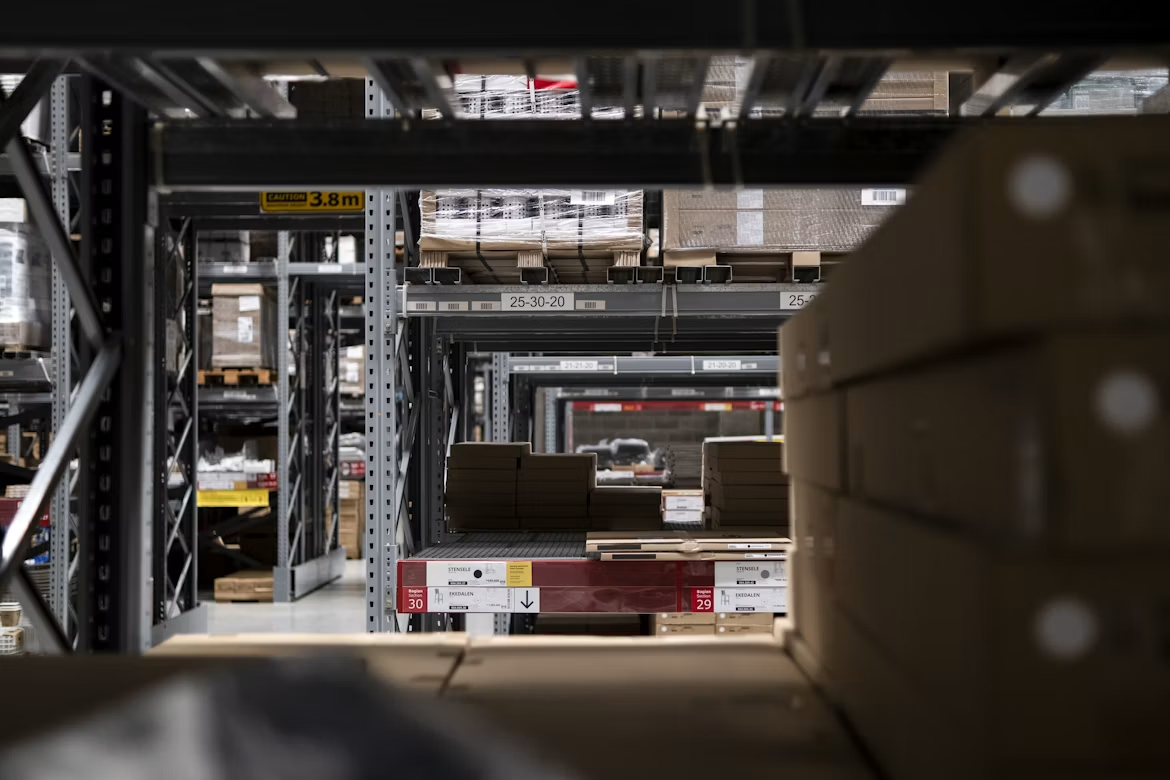
At ShipBots we treat returns as a core part of your fulfillment strategy. It isn't something we bolt on at the end. Our returns experts grade inbound units against your SOP and restock the resellable ones automatically. We plug straight into return platforms like Loop so the digital side and the physical side never drift out of sync. Running warehouses on both coasts also means a return to the nearest facility rather than crossing the country twice before anyone touches it.
Three things make this work, and they're the same three things that define how we run everything else. You get dedicated account managers who sit inside the warehouse and actually know your account. You get a real-time inventory portal that reflects a restocked unit the moment it clears. And you get transparent, volume-based pricing with no long-term contract to sign. The result is a returns operation that guards your margin instead of leaking it, and one you keep because it performs, month after month.
Ecommerce returns management is the full process of dealing with products customers send back. You receive the return, inspect and grade the item, decide whether to restock, repair, recycle, or scrap it, and then issue the refund or exchange. The point is to recover as much value as you can while keeping the customer. You're doing more than shuffling boxes backward through the warehouse.
NRF projects $849.9 billion in U.S. retail returns for 2025, around 15.8% of sales, with online returns running higher at an estimated 19.3%. The direct costs include return shipping and inspection labor, restocking or disposal, plus the carrying cost of inventory that's tied up in limbo. On top of that sits the harder-to-measure cost of the repeat customers you lose when the experience is bad.
Yes. A 3PL takes on the physical side of returns by receiving inbound items and grading them against your standard operating procedure before restocking whatever's resellable. At ShipBots, anything that grades out as resellable-as-new is added back to your store's inventory automatically, and we integrate with platforms like Loop so your returns process stays wired into outbound fulfillment.
Most returns trace back to a gap between what the customer expected and what showed up. You narrow that gap with accurate product descriptions, honest images, regular product testing, and by tracking your return reason codes closely enough to catch recurring problems early. Accurate order fulfillment matters just as much. Preventing a return upstream always costs less than processing one.
Yes. Most shoppers check the return policy before they buy, and 82% name free returns as a key factor in where they shop. A missing or confusing policy will cost you more in lost first-time buyers than a clear one ever costs you in processed returns. What you want is a policy tight enough to protect your margin while staying clear enough to earn the sale.
You'll never get returns to zero, but you can run them well enough that they build loyalty rather than draining it away. ShipBots handles the whole reverse flow, from inbound inspection through automatic restocking, so returns stop being the thing you dread and start being a touchpoint you actually own. Get started with ShipBots and put a returns process behind your brand that protects the margin and the relationship at the same time.





.svg)




.jpg)
.jpg)






.jpg)














.jpg)